From pioneering a new category to $1M+ revenue: designing a cloud cost platform for finance and engineering teams
Responsibilities
End-to-end product design, user research, data visualization, cross-functional collaboration with product management and engineering
Client
Vertice
Year
2023-2024
Info
Vertice built the first product to combine Cloud Cost and SaaS Optimization in one platform. I designed Cloud Cost Optimization from scratch, a tool that gives finance teams visibility into cloud spend while giving engineers actionable technical recommendations. In its first year, CCO secured 20 enterprise customers and generated over $1M in revenue.
challenge
Cloud cost tools existed, but they were built for engineers: dense dashboards of technical metrics that finance teams couldn’t parse. Meanwhile, CFOs were the ones signing off on six and seven-figure cloud bills without real visibility into what they were paying for.
The design challenge had three layers. First, there was no precedent. No competitor had designed a cloud optimization tool for finance users, so we had to define what that looked like. Second, the data was genuinely complex: thousands of SKUs, reserved instances, savings plans, multi-account hierarchies, multi-region spend. Third, the interface needed to serve two radically different audiences in the same product: CFOs wanting high-level cost insights, engineers wanting granular recommendations, without compromising either experience.
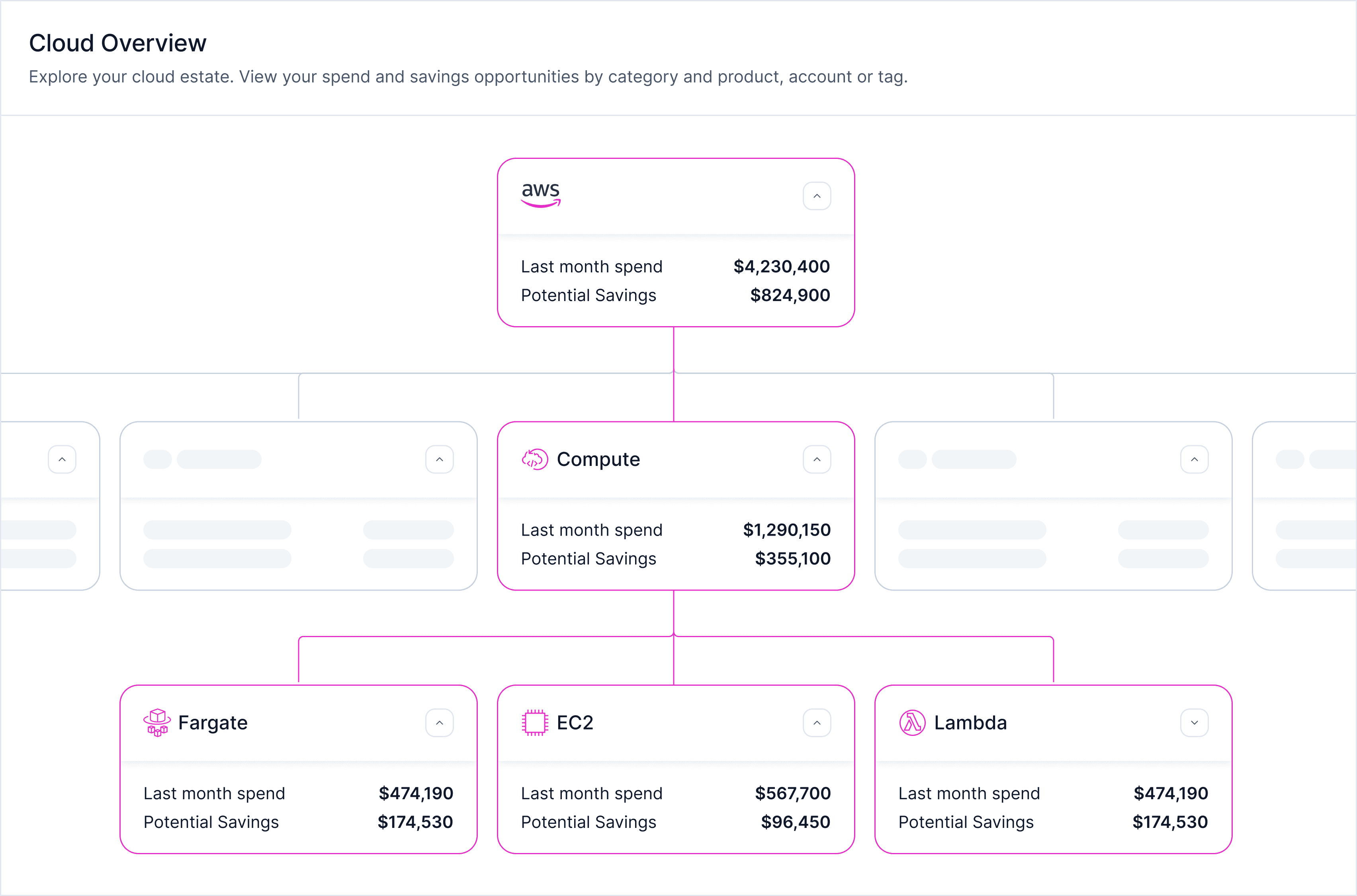
Designed a hierarchical drill-down from cloud provider to category to product. CFOs see the big picture; engineers can go deep into EC2, Lambda, or Fargate without leaving the flow.
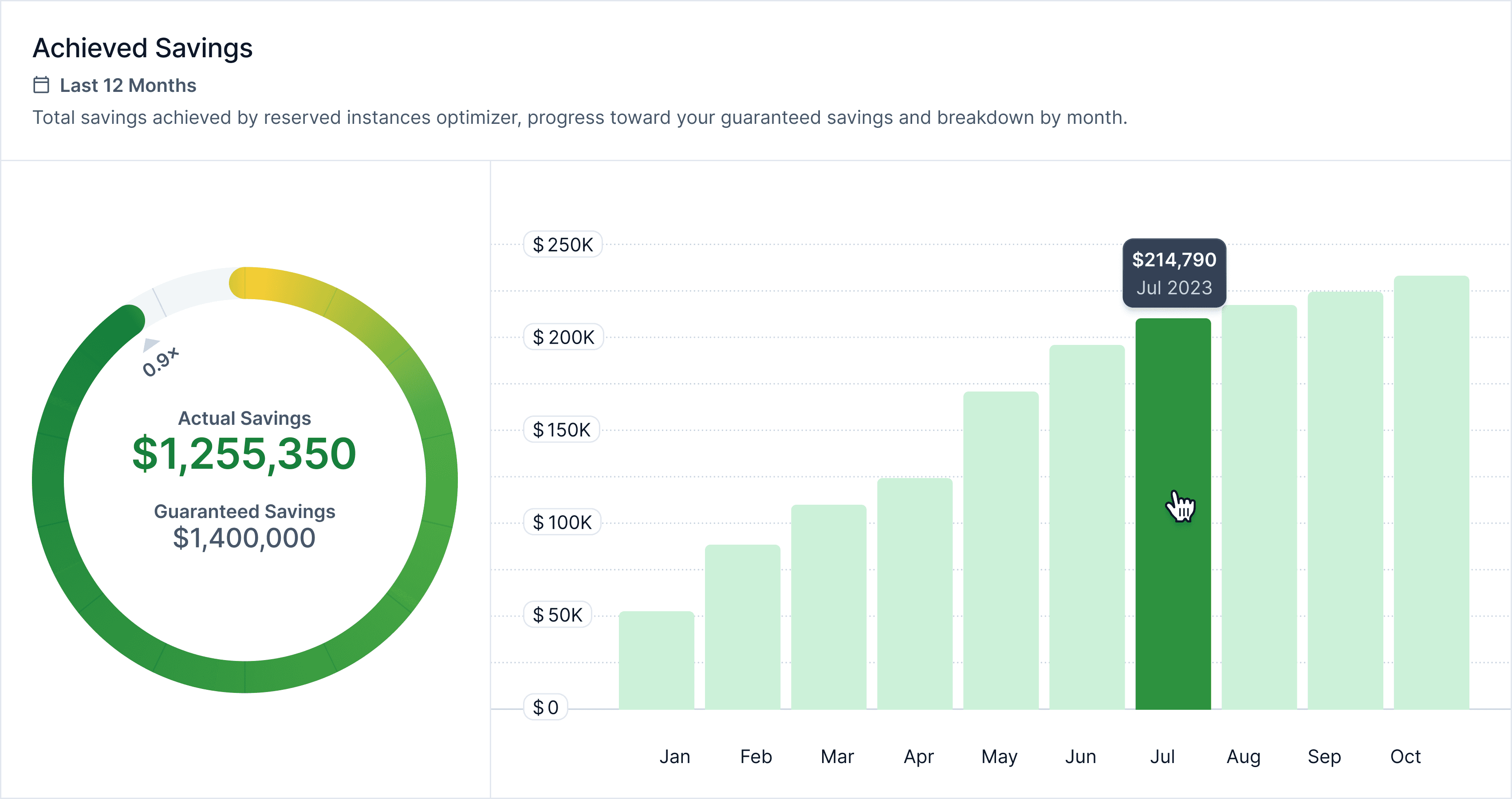
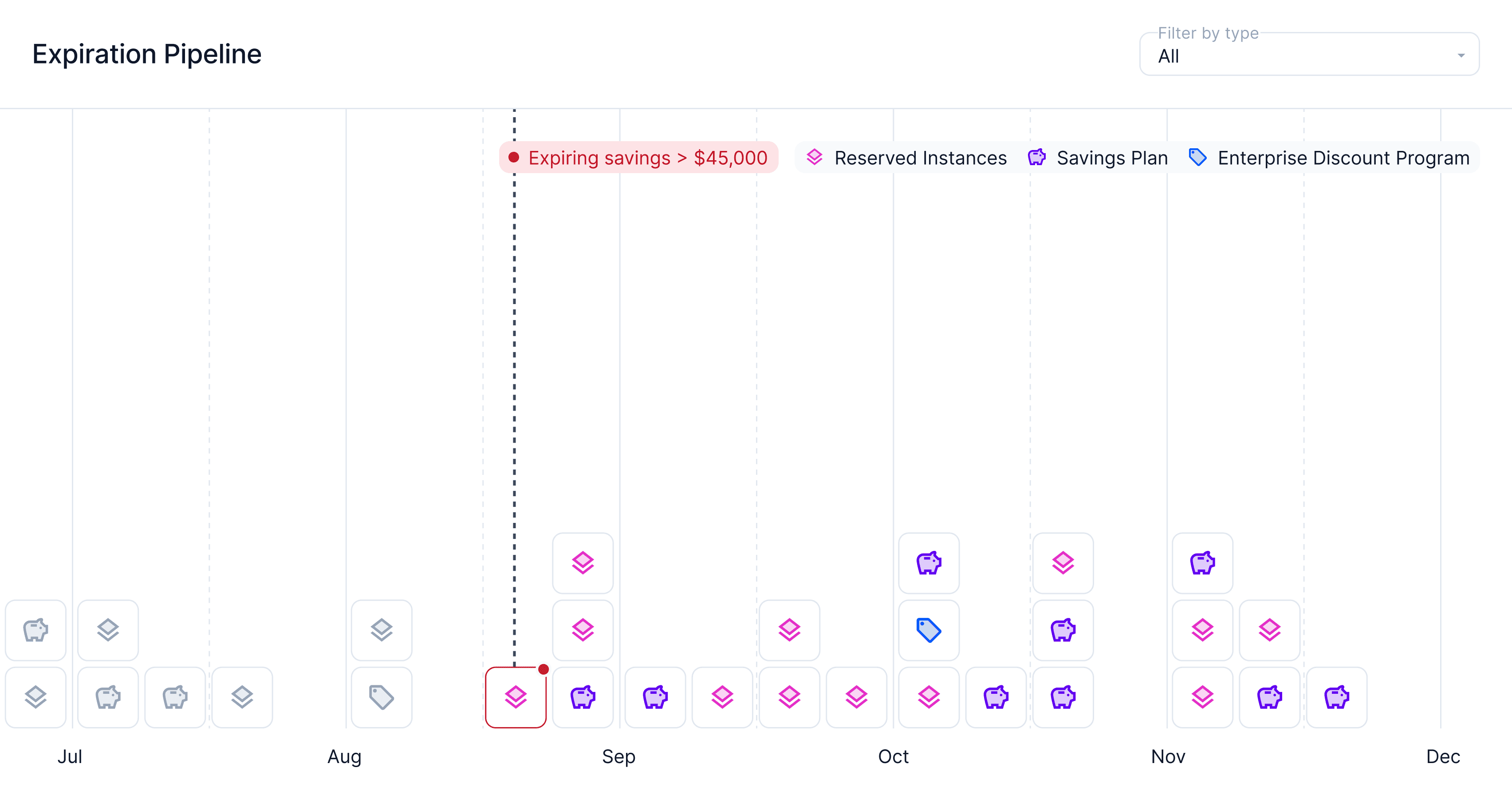
A single view that ties actual savings to guaranteed savings commitments, the primary metric CFOs use to evaluate CCO’s ROI.
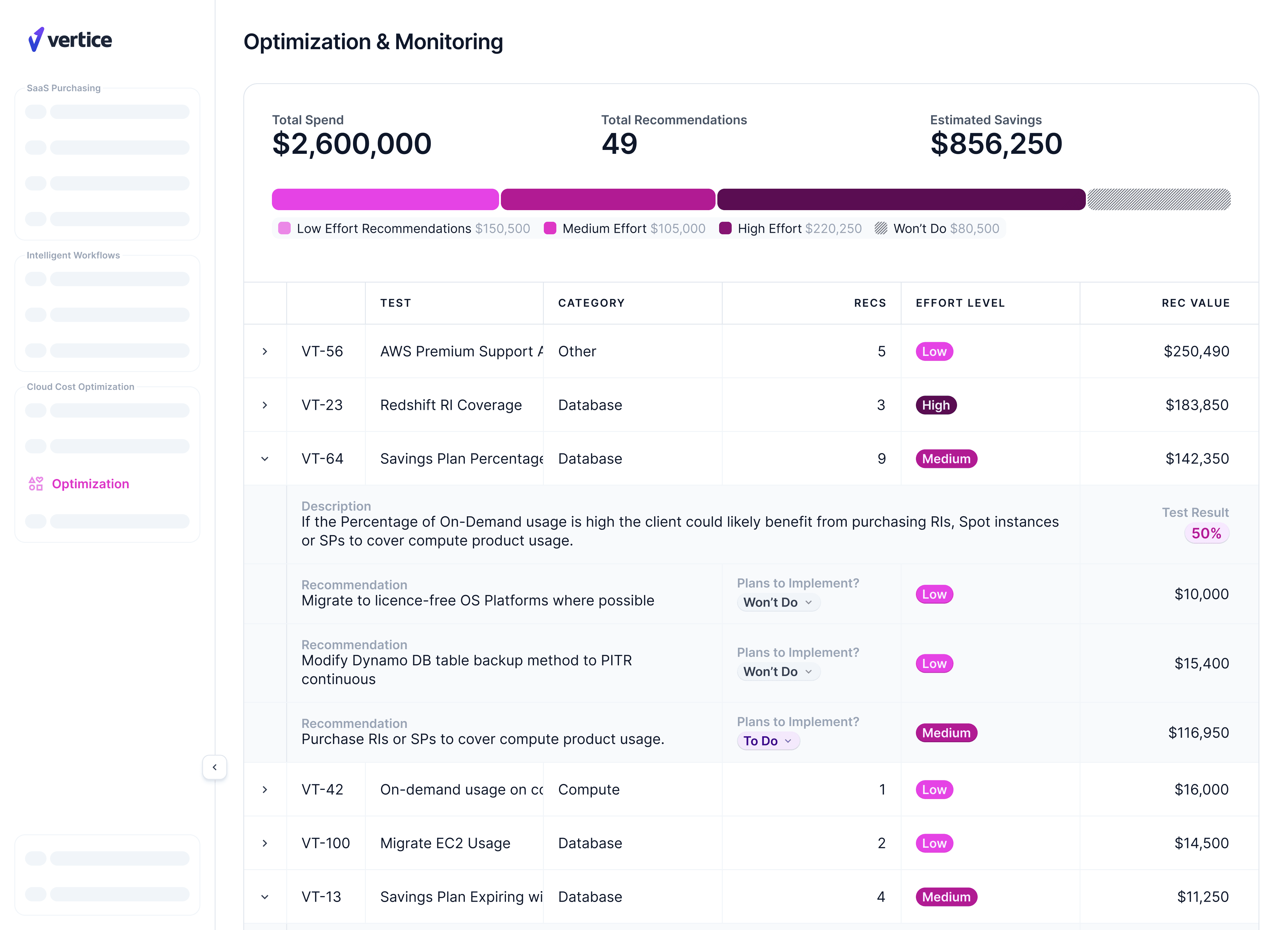
For engineers: a prioritized list of tests that analyze cloud usage and surface specific inefficiencies. Each recommendation is scored by effort and value so teams know where to start.
DESIGNING FOR TWO
AUDIENCES
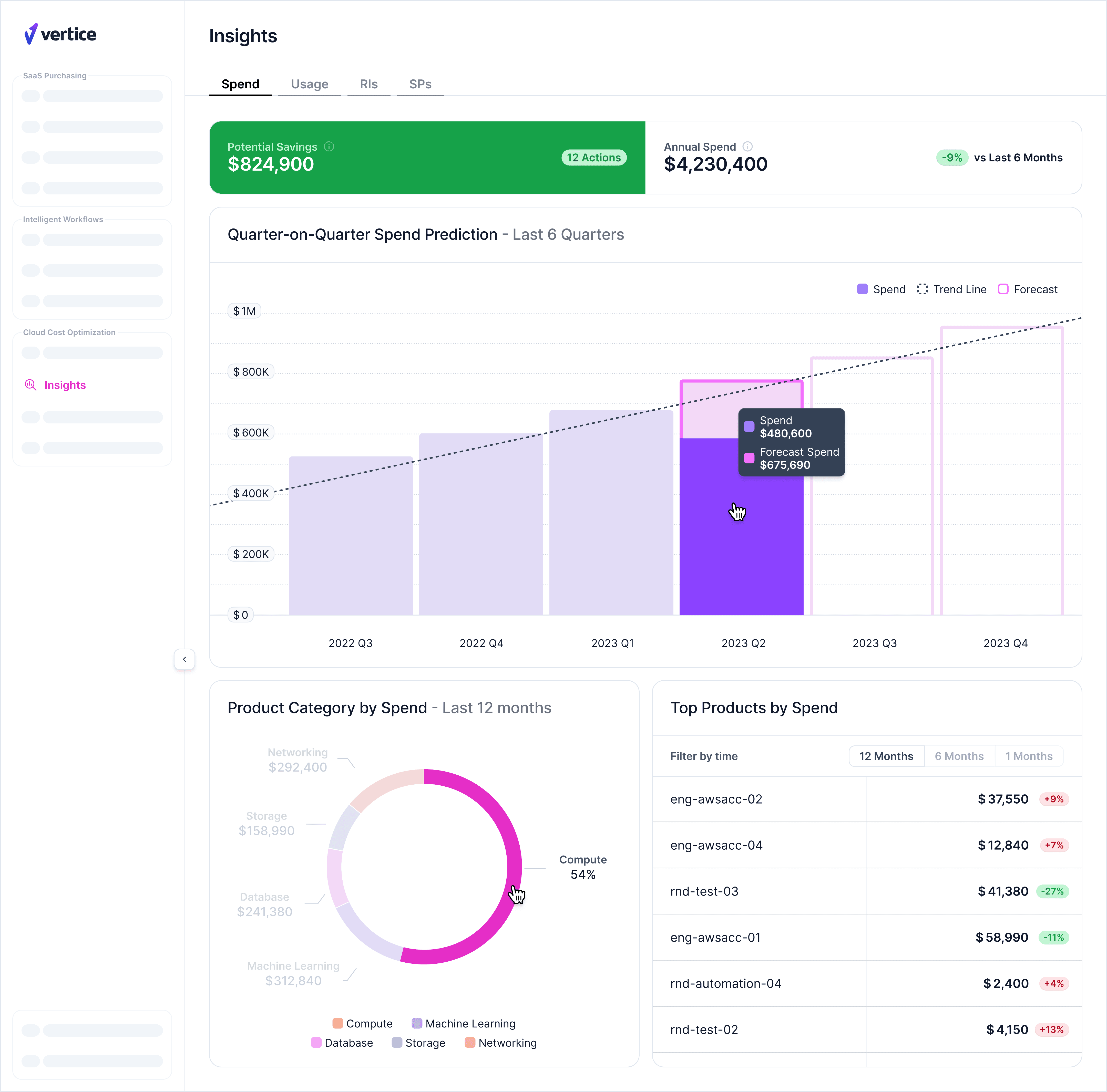
The biggest risk was building a tool that served neither audience well. I resolved this by giving each user role its own navigational entry point into the same underlying data.
CFOs enter through summary views: annual spend, forecast, cost by category, region, product. Every number is clickable but doesn’t have to be; the top layer is complete on its own.
Engineers enter through the Optimization page: specific tests, specific recommendations, specific actions. Each recommendation connects back to the cost data CFOs see, so conversations between teams are grounded in the same numbers.
This wasn’t obvious at the start. Early versions tried to serve both audiences in the same views, which resulted in interfaces that were too technical for finance and too simplified for engineering. Separating entry points while keeping data unified was the decision that made both groups successful.
ImPact
$1M+ revenue in the first year on market
20 enterprise customers secured
Average savings on EC2 and RDS: 34%
Clients reported up to 30% reduction in total cloud costs
First product on the market to combine Cloud Cost and SaaS Optimization